Keeping Your Family Activity Calendar Organized

Family calendar


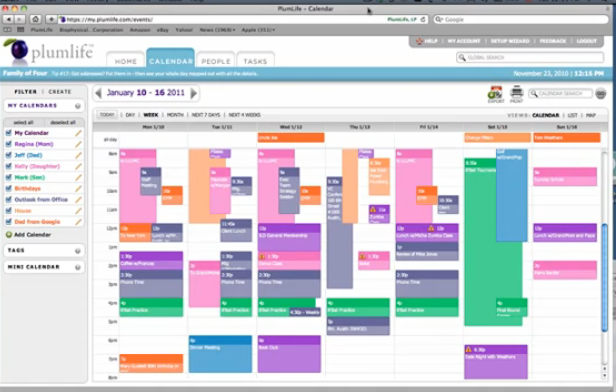
I was talking to a busy working mother recently and she made the comment, “Sometimes it feels like I’m running a business with these Excel documents for family expenses and a master calendar for all meetings and activities.” The truth is (as much as it’s strange to say) your household is very similar to a business, and sometimes you need to use business tools to stay organized. The biggest area of strife for families is not being aware of commitments, and over booking. Most of the time this happens because there isn’t one central calendar visible to all parties. So first things first – create only ONE family calendar.

This will solve many of the problems! But of course, I have a few more tips up my sleeve. Next, you need to decide if you’re going keep it traditional using a paper calendar, or if you want to use an electronic option. I’m a big fan of using an electronic calendar like Google Calendar. It will also sync up with your phone’s calendar so you can get reminders wherever you are.

Whether you choose paper or electronic, assign a color to each member of the family. That way you easily see who has conflicting obligations – or meetings – and plan accordingly.

The next important thing is making sure you’re holding weekly family meetings to ensure you’re updating the calendar with the latest and greatest activities and meetings. Over communicating is always the best policy.

The last tip is to check your calendar daily. Similar to the workplace, you should wake up and consult your calendar so you can plan your day. There is nothing worse than remembering at 2pm that you were supposed to pick up the kids for an early release at 1pm.

As we dig deeper into the fall and winter seasons, remember that a central calendar is your best friend – and saving grace!

Photo: Mom of 6

Preparing Your Wardrobe for Fall and Winter: Tips from a Professional Organizer

Swapping fall clothes

As September winds down, I always think to myself – where did the summer go? It’s true – it goes by so quickly, but I’m genuinely excited for fall. After all, fall in New England is breathtaking…apple orchards, beautiful foliage, and that perfect crisp in the air. And with that colder crisp comes the need to change out your wardrobe! Out with the shorts, in with the scarves and boots.

By biggest piece of advice is to start NOW. I know, it’s only September, but if you don’t start early, one morning you’ll be greeted by a chilly day and find yourself running around trying to figure out where you stored your jackets. Below is a quick checklist of what you need to do to get your wardrobe ready for the fall and winter:

  • Compile and store your spring/summer clothing – Organize your clothing into categories (shorts, shirts, etc.) and store these items in large Rubbermaid tubs. If you have little storage, look to purchase the containers that can slip under the bed. If you are going to store containers in the basement, ensure the containers you purchase seal tightly, to prevent any insects or unwanted smells from entering.
  • Make a list – Most people end up forgetting where they stored their clothing, so it helps to list out your clothing on an excel sheet so you can look back once spring arrives.
  • Donate old clothing – Look through last year’s fall/winter attire and evaluate what you want to keep and what you want to ditch. This also means you should look through the entry way closet and give away all of those old jackets you haven’t touched in five years.
  • Hang and organize your scarves – Over-the-door hooks can be a great way to keep all of those scarves organized. You can also purchase scarf hangers if the back of your closet door is already filled.
  • Clear space for boots – Boots can take up a lot of room, and they don’t fit in most shoe holders. I always find the best way to tuck away your boots is on a shoe stand. You can designate your boots to the top shelf. Also, to keep them from folding over you can put empty wine or sparkling water bottles inside the boot so they keep their form.
  • Make a dry cleaning run – If you stored all of your jackets in the basement or attic, it’s likely these will need a wash to rid them of that musty smell. If you drop them off now, you’ll be ready to go by the time the first frost rolls in.
  • Make a list of what you need – After you’ve gone through and noted the clothing you’ll be donating, make a list of clothing or shoes you need. Yes, that means you get to go shopping!

I would shoot to check these items off your list by the end of September, that way in October you can enjoy apple picking, sipping cider and other fall activities in your new clothes – and freshly cleaned closet space.

Photo: Bed Art Home

Tip Tuesday: Kitchen Tips to Tame the Kitchen Clutter

Kitchen tips Kitchen clutter

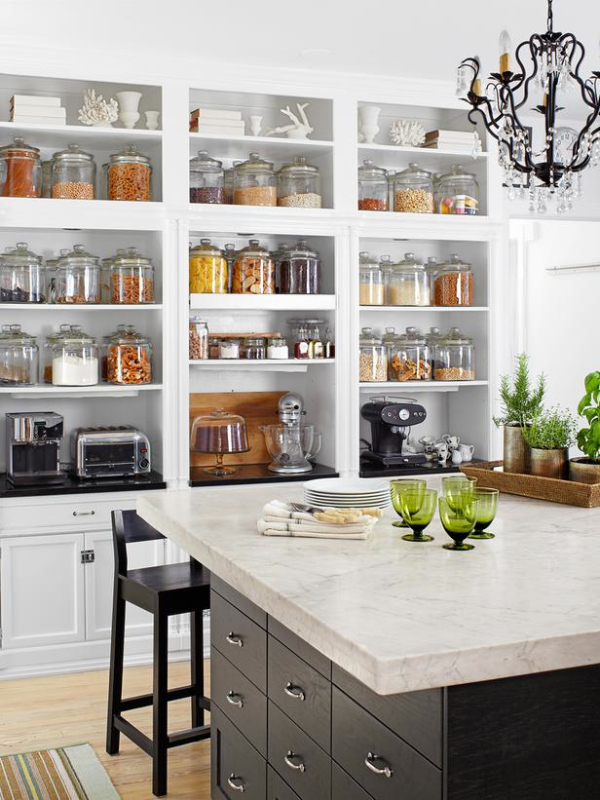
I first touched on kitchen organization when I wrote about how to plan and organize for a move. But now we’re going to dive deeper and walk through a few of my favorite kitchen uncluttering tips. Let’s face it, it’s easy for the kitchen to take on clutter. It’s a commonly used space, and if you’ve designed the kitchen right, it brings people together! This is wonderful, but then all of a sudden there’s homework cluttering the countertops, cooking books sprawled out…things get messy! The good news is there are some quick tricks to deploy that will help you feel more organized in the kitchen.

  • Divide your kitchen into activity zones. Think through where you’ll do your baking, and where you’ll spend most of your time prepping for dinners. Then organize around those spaces. For example, in your baking area, put your primary baking tools, ingredients, etc. in the cabinet above or the drawers below. Also, if there is a kitchen island where you spend a lot of time working on homework, designate that as a “homework area” and put a basket underneath the island specifically for homework supplies (pencils, calculators, etc.) that way that “clutter” has a home.
  • Acknowledge your frequently-used items – If you always use your blender for smoothies, it makes sense to keep it out for easy access. For those items you infrequently use like serving platters and roasting pans, put them in the cabinets above the refrigerator or other spaces that are more difficult to access. If you’re tight on kitchen space, you can even place in the basement or garage.
  • Purchase the right organizing contraptions and shelving – It’s amazing how much these organizational components can make you feel less cluttered! First of all, lazy susans are truly a gift from the organization gods. Keep your spices on one in your cabinets so you can easily access without digging to the very back and destroying everything in your path. Lazy susans are also key for those corner lower cabinets that are filled with your dry ingredients. With one spin of the lazy susan, you can snag what you need. Additionally, use flatware organizers for storing utensils, as well as long, skinny tools. Lastly, to maximize space in your refrigerator, purchase low wire shelving so you can divide a once larger space in two, and store food above and below that wire rack.
  • Purge the pantry! – And of course, organize it, too. This is one of the spots that often need the most work. Before you get started organizing it, you need to take EVERYTHING out of the pantry, and throw away old food, items you haven’t touched in a while, etc. Then once you’ve removed everything, plot out your plan of attack. You should designate a section for baking supplies, snacks, paper goods, canned food, etc. Place items like paper goods that you don’t use every day up at the top where it’s a bit more difficult to access. Once you’ve designated a section, purchase bins, containers or jars to accommodate these items, and label, label, label! For example, you can fill a crate with baking supplies, and label the outside so it’s easy to identify these materials when needed. You can also purchase large jars to store flour, pastas, etc. so that you can rid yourself of bags and boxes that can often leave a mess.
  • Don’t neglect the space under the kitchen sink – This area can often get messy and become a black hole of cleaning supplies. To minimize the clutter, consider using tension rods to hang bottles of cleaner and small bins to store sponges and cleaning gloves. Another tip that I love is putting the roll of trash bags on a paper towel dispenser so you can rid yourself of those boxes and access trash bags easily.

I hope these kitchen organization tips can help you in your pursuit for a cleaner, more organized kitchen. Be sure to check back for more kitchen organization tips in the future!

Photo: Cute and Company

5 Ways to Make Packing School Lunches Quicker and Easier

Tips for packing school lunches

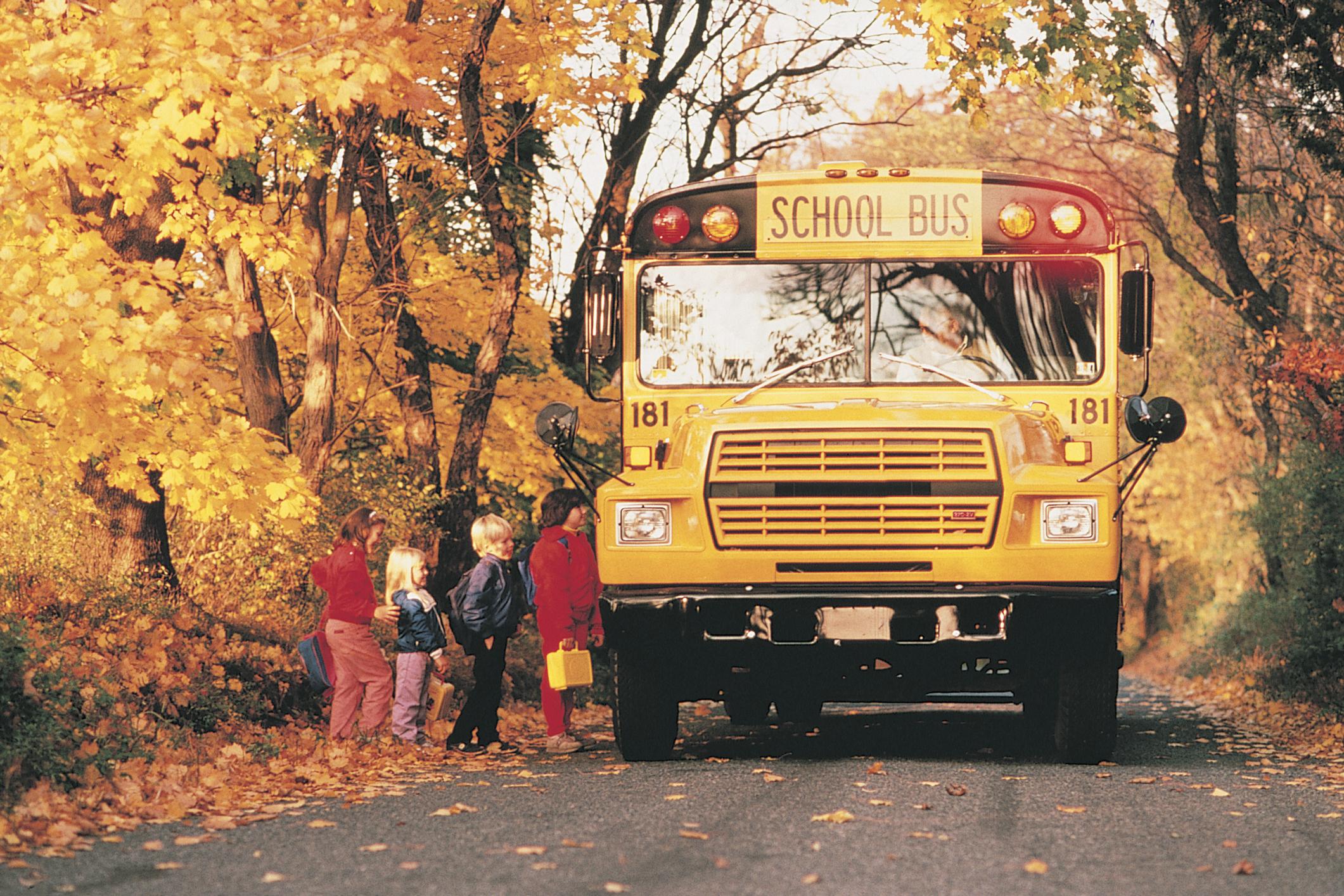
Labor Day has come and gone – farewell summer! – and that means the big yellow buses have taken your kids away. On one hand, this means there is a little less running around from one summer activity to the other. On the other, parents now have to invest more time in planning, prepping and following schedules…which includes that dreaded one-hour crunch time to get everyone awake, wearing proper clothing, toting the right school supplies, and of course, equipped with their fuel for the day – their lunch!

I’ve heard from parents across New England that creating school lunches can be one of the biggest chores, and frankly, afterthoughts as they’re getting their kids ready for the day. Below are five back to school lunch tips for saving time – and sanity! – as you go through the daily getting-ready grind.

  1. Make a meal plan for the week – Typically this includes dinners, but it should also include lunches so you can get everything you need at the grocery store at the start of the week. When you create this plan, you can get input from your kids, that way everyone is on the same page when they open their lunch each day. By planning ahead, you can also repurpose ingredients from dinner for use in school lunches. And there’s never any harm in making a dinner in “bulk” so you and your kids can have leftovers for lunch!
  2. Don’t forget about the budget – Be sure to include the cost for lunches in the greater meal budget. It’s always good to be mindful how much you’re spending to create each lunch, versus how much it costs if your kids were to get a hot meal at school. It’s also good to allocate funds per month for hot school lunches for those mornings when you’re running late, and you know that lunch isn’t going to be packed. Hey, it happens, and it’s always good to have a back-up plan!
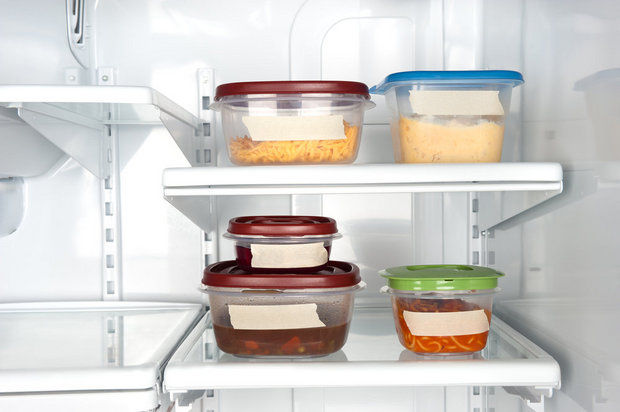
  3. Do what you can the night before – There are several little things that can get done in advance, saving you much needed time in the morning. For example, you can store ready-to-go snacks in the refrigerator or pantry. Package up crackers or cookies, slice veggies/fruit and put in appropriate containers, etc. Additionally, sometimes you can get away with freezing food items that might typically go bad if prepped ahead. For example, you can store pre-made peanut butter and jelly sandwiches in the freezer, and if you’re in a pinch with no time on a given morning, simply pull one out and drop it in the lunch box!
  4. Use reusable lunch bags – Instead of spending money on brown bags that get thrown out every day, every kid should have his or her own lunch box. This way, no one accidentally grabs the wrong lunch! Also, kids generally get more excited about what’s in their lunch when they love the characters or theme of their personal lunch carrier.
  5. Purchase various sizes of plastic bags / containers – By doing this, you’ll have the right packing materials for any lunch item. To save money, it’s smart to stick to reusable containers, and you can generally find a good “starter kit” of different sizes at bulk retailers like Costco.

Photo: My Daily Find

Getting Organized for Back to School – Boston Professional Organizer

Back to School tips

Summer is nearly over for New England moms and their kids – where does the time go?! It’s a bittersweet time for families – parents will gain a bit more free time, but of course miss seeing their kids throughout the day. While there will be many emotions when the first day of school hits, one thing is for sure – it’s best to get physically and mentally organized so the process is as smooth as possible. In my world, the more organized you can be, the less drained (and frantic!) you’ll feel at the end of the day, week or even month! Here are five back to school organization tips to keep in mind as you send your kids back to school:

1)     Plan out your finances – The first step for preparing for back to school is always taking a look at your finances to determine what should be the proper budget. According to the National Retail Federation’s annual survey, total spending on back-to-school items is expected to reach $74.9 billion and the average family with children enrolled in grades kindergarten through high school will spend $669.28. That’s right, nearly $700. So how do you allocate funds? Think about all of the spending categories – clothing, school supplies, sports fees, physicals, etc. Asses each kid’s needs – prioritizing important costs over the more trivial costs – and from there start to piece your budget together. It’s also smart to keep some money in your back-to-school budget for unexpected costs in the fall – another jacket, an unexpected team sport fee, etc.

2)     Assess your needs – Don’t go into back to school season blindly! Take the time in advance to see what clothes you need to purchase, and what is on each kid’s classroom supply list. For clothing, go through drawers and remove anything that doesn’t fit or is worn out, and donate these to local non-profit organizations or friends and family. Also, take time with each kid to make note what clothing is stored where, so there is no confusion during morning prep. After you’ve purged, and made space, create a wardrobe list, while keeping the budget in mind! For school supplies, make sure you’re getting a list from each teacher of what each kid needs. Walking through the back to school section of your local Target with your kids – and no list – is a surefire way to spend WAY too much money, and wind up with a whole bunch of stuff you don’t need, and only a few items on your actual list.

3)     Create a Family Calendar – The start of school means the start of pick ups/drop offs, sports, dance class, and more. And with multiple kids’ schedules mixed in with yours, you can only expect for life to get a bit crazy. That’s why it’s especially important to create one universal family calendar. This can include school functions, deadlines, and even lunch menus. Putting everything on paper – or in a Google shared calendar – can truly make your world a better place.

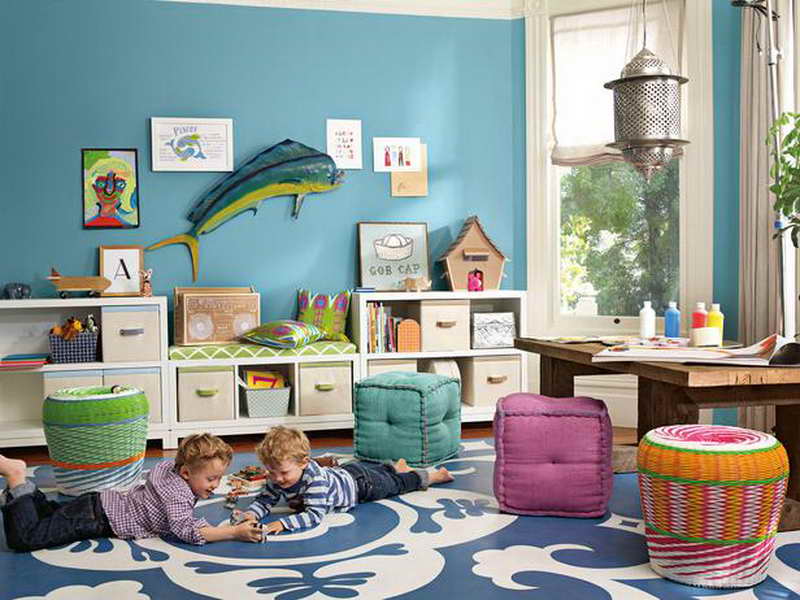
4)     Bring current rooms to order – There’s something to be said for the saying, “Start with a clean slate.” The last thing you want to do, is start with a dirty, cluttered room, because likely after the first day of school, your kids will bring home loads of new books, papers, and of course, throw their clothes and backpacks around their rooms. A big part of organizing your kids’ rooms – or even the mud room – is creating a space for backpacks, shoes and other items being used on a daily basis. This will ensure everything has a home, and set the expectations of what goes where with your kids.

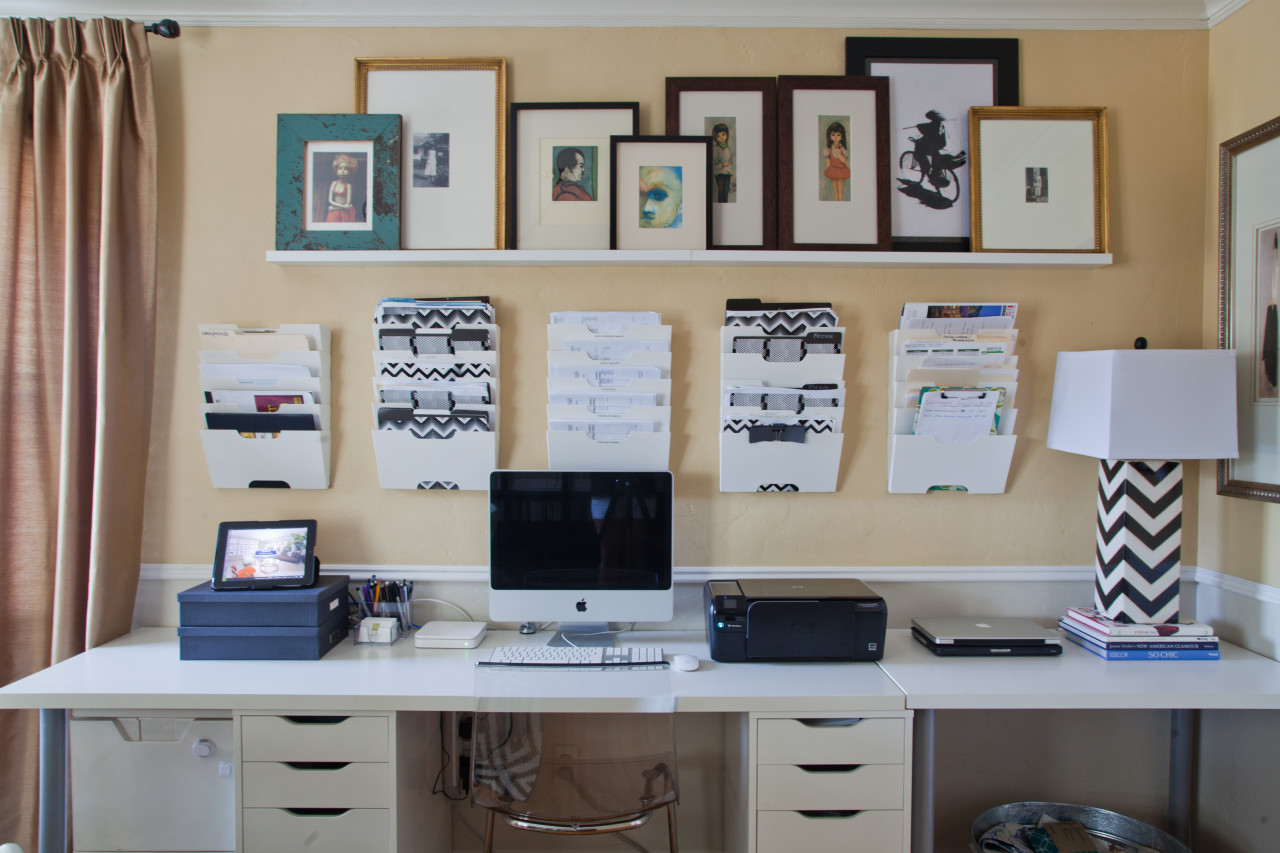
5)     Create a work station for homework and meetings – When the school year begins, it always seems that the dining room table starts piling up with school books, papers and pencils – and other clutter. With no clear work station, this can lead to disarray around the house. Whether it’s a little nook in the hallway, a carved out space in the garage, or a space in each kid’s bedroom, creating a designated work station can lead to a clearer, more organized home. And ultimately a more productive child!

Photo: Discovery


The Art of Taming Your Garage – Boston Professional Organizer

Boston Garage Organization

If organized correctly, the garage can be a haven for everything that doesn’t have a place in the house AND your vehicles. But most of the time what happens is the “stuff” from the home, builds, and builds, and builds…ultimately taking over any free space, and pushing the car to the curb.

If your car is parked in the driveway, perhaps it’s time to overhaul your garage and restore order with the following tips below:

  1. Set aside time – It’s important to make time for garage organization, or hire a professional organizer to help out with this task. A weekend is typically enough time for me to come to your house, develop a plan of attack, and conquer the clutter.
  2. Set up zones and categories – Look around to see what should be grouped where. Typical zones include gardening, sports and recreational gear, tools, additional pantry space, trash/recycling, and seasonal décor. Once you’ve nailed done the necessary categories, look at the items that don’t fall into these categories – like paint and luggage – and determine if there’s another space in the home where these items can go.
  3. Purge and donate – This is often a sensitive task for people because if an item has ended up in the garage, it’s likely the homeowner isn’t ready to part ways. I typically work with homeowners to help them decide what’s trash and what is a treasure. Sometimes this can be challenging, but the reality is you can’t invent space – something has to give!
  4. Think about the overall design and layout – Your design will depend on your lifestyle. If you are an avid gardener, then this zone should be easily accessible and take up a larger chunk of the space. If you have kids involved in five different sports teams, then each piece of equipment should be readily available and easy to access for the little ones.
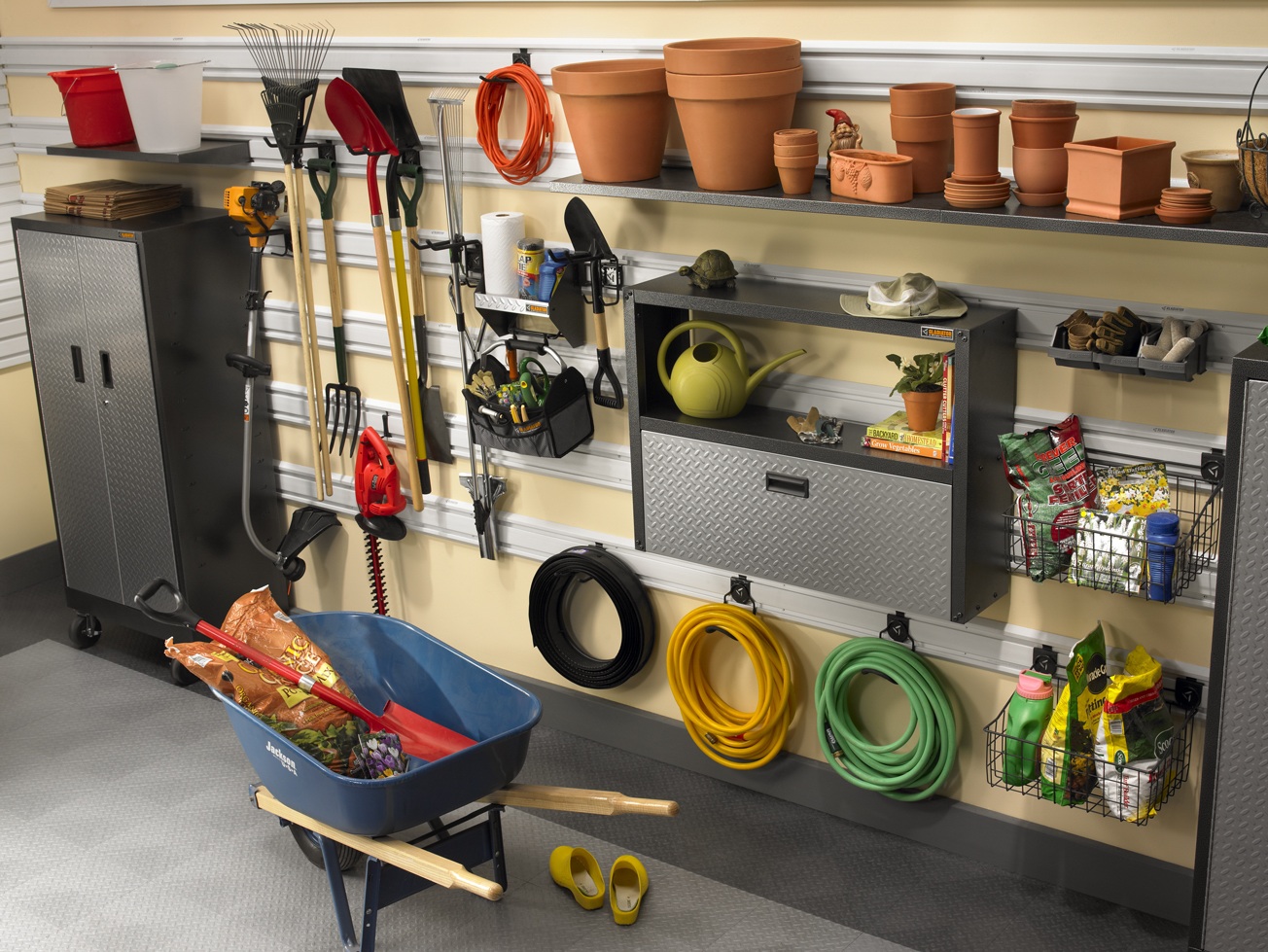
  5. Determine storage solutions – Purchasing storage and cabinets should be decided AFTER you’ve created the floor plan. Leveraging vertical space is key in order to maximize available storage area. Peg boards can work wonders with hanging up gardening tools and sporting equipment. Also think about using the overhead space to hang bikes and other items that are taking up real estate on the ground. I have also found that rubber floor tiles can be a great addition if you’re planning on creating “livable” space within the garage. A great example of this is creating a crafting station for your kids, or a planting area for gardeners.

After your garage revamp is complete, it’s not over! The last, but oh-so important tip is to make sure you’re creating a monthly garage cleaning and purging so you can stay on top of clutter.

Photo: Décor Draw


Movin’ On Out – Part 3: Moving Tips from a Boston Professional Organizer

Boston Professional Organizer Moving Tips

I’ve now walked you through the first two parts of staying organized during a move – planning and packing! – and now the real fun begins – unpacking. And I really mean this. This is the time where you can get settled and really take a deep breath and relish in the happiness of a new home. Before you start cutting open those boxes, keep these moving tips in mind.

  1. Cleaning is always a good idea— Most homes you move into will only have been broom swept, which means there is likely a lot of cleaning to do. It’s always smart to schedule a cleaner to arrive before the boxes do, that way you don’t have to worry about cleaning after the fact.
  2. Set up your beds – Sleep is oh-so important after working your tail off moving for the last few days (and technically, weeks, if you’ve been properly planning!). Bedrooms are quick to pull together, and you’ll be so excited to get proper rest on a familiar and comforting bed.
  3. Give the kitchen priority – Like sleeping, eating is a priority.  If you’ve done a good job organizing and labeling your boxes, it should be fairly easy to decide what box needs to be placed where. I also like to think of the sink as the main “hub” and the stove is second on the list of most-used kitchen spaces, so it’s key to unpack keeping this in mind. For the items that you use every day, place them in the most accessible spaces. Utensils and cutlery will always be used, so placing these items by the sink is a good idea.
  4. Bring home the bathroom – The bathroom is one of the most straight-forward rooms to set up and you’ll feel an instant sense of calm when you get yourself settled in this space. Put up a shower curtain, hang your towels and unload your grooming essentials.
  5. Think basement for any overflow – If you’ve planned and purged correctly (reference the first part of this series if you missed it!), you shouldn’t have anything substantial to store. However, if you do, take advantage of your basement. Anything you’d like to put down in your basement, store in those large plastic storage containers, to ensure the contents won’t get musty. Also, use shelving to maximize your storage space. I always like to use large resin shelving because it’s so easy to assemble, and you’ll be up-and-running in no time.

That wraps it up on my ‘Movin’ on out’ series on organization tips for moving – if you have any questions, comment below and I’d love to help! Tune back in the coming weeks as I talk about garage organization!

Photo: Apartment Therapy

Movin’ On Out – Part 2: Moving Tips from a Boston Professional Organizer

Boston Professional Organizer moving box labels

Welcome back to our series on planning and packing for a move! In the first part of this series I discussed planning – which is equally as important as the actual execution – but now I’m moving on (pun intended) to the good stuff – packing up your home. As a professional organizer in Boston, I’ve discovered some key moving tips to keep in mind while getting all of your belongings out of your home, and into a moving truck. It may seem like a daunting task, but if you follow the five packing tips below, you’ll be in great shape.

  1. Pack by room – Life becomes significantly easier when you pack by room. By doing this, you’ll keep all similar items organized together and ultimately make unpacking more manageable. The last thing you want to do in your new home is run around the house, scratching your head, saying, “Now what did I do with that lamp?”
  2. Learn love labeling – This is another tip that will keep you sane through the moving process. Every box needs a label. There’s no way around it. On each label, you should note the room, general contents, and assign a box number to make tracking all boxes a bit easier. I also like to include a color key for each room, so that it’s easier for the movers to easily note what goes where. I discovered this free download for moving labels from MarthaStewart.com that you can print out on any standard adhesive paper and use for your move.
  3. Keep your boxes organized with a grid – Use a simple word document or excel sheet to keep track of all of your boxes. I generally write out each room, and underneath include the box number and the general contents in each. This is where I also include the color key.
  4. Find the right boxes – There is a wide world of boxes, and it’s important you find the right boxes to make your packing a bit easier. In addition to square or rectangle boxes, you can also find specific boxes for picture frames, hanging clothing, glassware, TVs, lamps and more. If you want to save money, I’d recommend looking on Craigslist for used moving boxes from someone who just unpacked and moved into their new home. You can also find great boxes behind grocery stores, and sometimes liquor stores will have odd-shaped boxes with built in dividers for vases and glassware. Keep in mind that not all things need boxes. For instance, folding clothes can remain in the dressers, but be sure the drawers are restrained with tape to ensure drawers don’t fall out.
  5. Think about what you’ll need when you arrive – You should always pack an “open first” box. This will contain necessities like toilet paper, trash bags, power strips, tools, box cutters, and medication. For this box, I always like to use a clear bin versus a brown box so it’s distinctive and easier to see among the sea of brown. Additionally, if you’re traveling across the country, be sure to pack enough clothing and essentials for two to three days. If your moving truck gets delayed because of weather, you never want to be without the essentials.

After you’re done packing…it’s time for the BIG MOVE. Tune in next week as I share tips to the art of unpacking and moving into your new home.


Photo: Design Mom

Happy 4th of July!

Boston Professional Organizer

Happy 4th of July! There’s no better place to be on the Fourth of July than in the great city of Boston. Enjoy this day with your family – happy Independence Day to you all!

Photo: Huffington Post

Movin’ On Out – Part 1: Moving Tips from a Boston Professional Organizer

Boston Professional Organizer Moving

Moving is bittersweet. On one hand there are new beginnings on the horizon – new house, new city, new fun! – but on the other hand … you need to MOVE. To some, this is a four-letter word. I haven’t met many people who really enjoy the process of moving. After all, it takes time to mentally – and physically organize – then purge, pack, and move out…and then move in and essentially do the aforementioned tasks once again.

The good news is that I’m here to help those in the Boston area planning a move by sharing organization tips for moving. Over the course of the next three blog posts, I’ll share my professional moving tips that will help your next move run as smooth as possible.

Today’s post is centered around the three p’s – planning, prepping and purging. Below are five moving tips to keep in mind as you get the moving train moving:

  1. Start planning your move two months out – Put together a packing plan for what you want to accomplish over the course of the next two months. This plan can include deadlines for when certain rooms in the house need to be packed. For example, one month out start to pack up the garage and attic. Then 2-3 weeks pack up the closets. You get the picture. Also include action items for when you should call and transfer/cancel utility services, forward your mail, update your personal billing information, etc.
  2. Think about boxes and packing supplies – Do not wait until the last minute to purchase these supplies, or find the right boxes. You don’t want to get in a situation when you’re in need of boxes the day the moving trucks arrive! Also, pick up other supplies to keep you organized like labels and color sharpies so you can color code by room (more on that in the next post!).
  3. Schedule your movers –Don’t wait to do this! Planning a New England move in the summertime means moving companies will be booked out. Call ahead of time to ensure you’ll get your top choice for moving company.
  4. Take Measurements at your new home – You’ll inevitably move to an entirely different home, which means what you have in your current home will likely not work in your new one. If you’re able, take measurements of your new home so you can get an idea of what furniture will make the cut for the move. If something won’t fit, it’s best to sell or purge that item so that you can minimize moving unnecessary items.
  5. Trash and Donate – As mentioned above, the last thing you want to do is move stuff you don’t need! Before you move, go through clothing, furniture, etc. you want to give away or throw away. The more upfront time spent doing this now, the more time and stress you’ll save yourselves. If you opt to make a donation, find organizations that will pick up like the Vietnam Veterans of American and Big Brothers Big Sisters. If you prefer to drop off, Goodwill and Salvation Army are easy and in many spots across New England.

After you’ve mastered the three p’s, the next step is to physically pack! Tune back next week for part 2 in my moving tips series when I discuss how to pack a house – the right way!

Photo: Crafty Individuals

Top